

A stroke survivor in Jersey has shared his experience and advice, as local organisations come together to mark World Stroke Day.
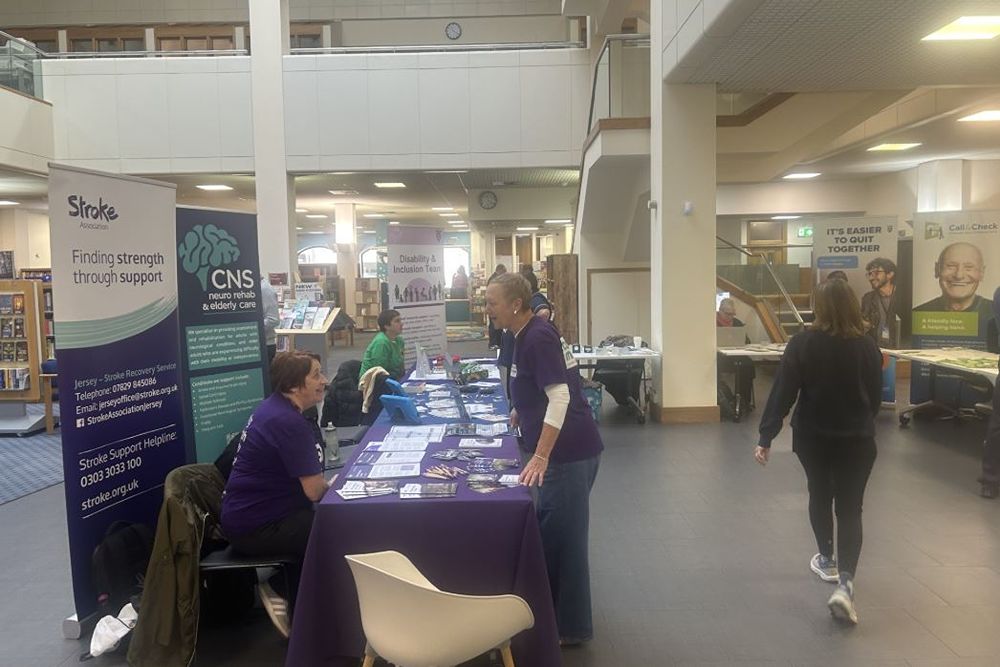
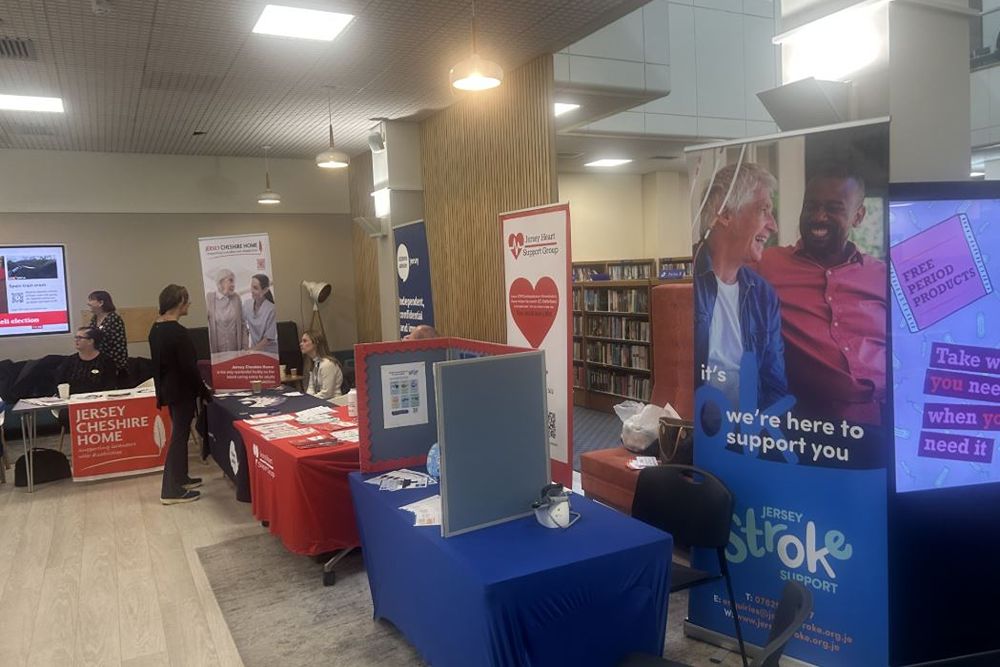
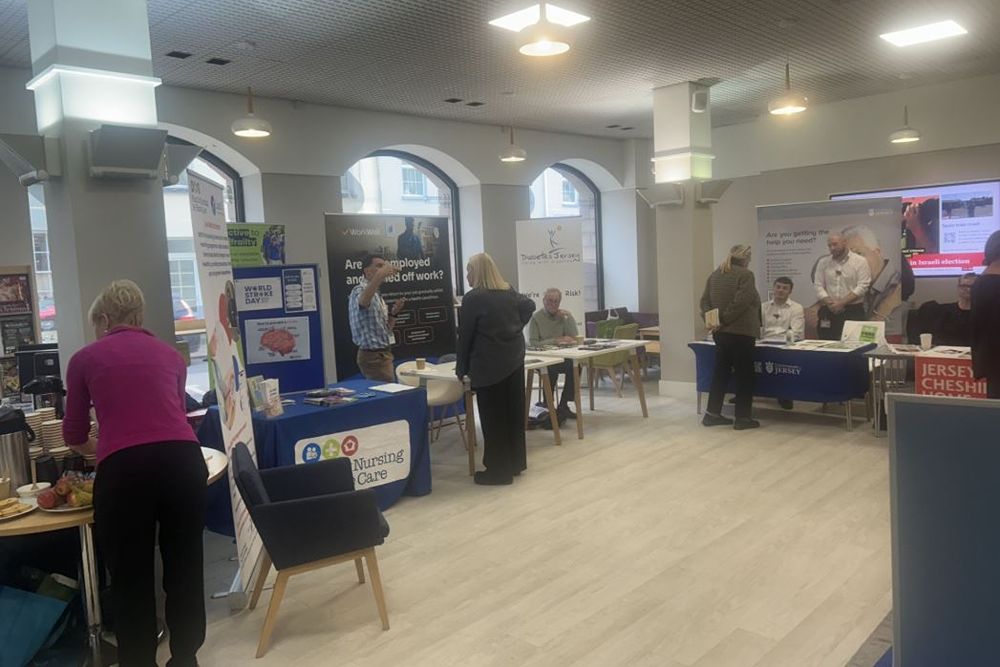
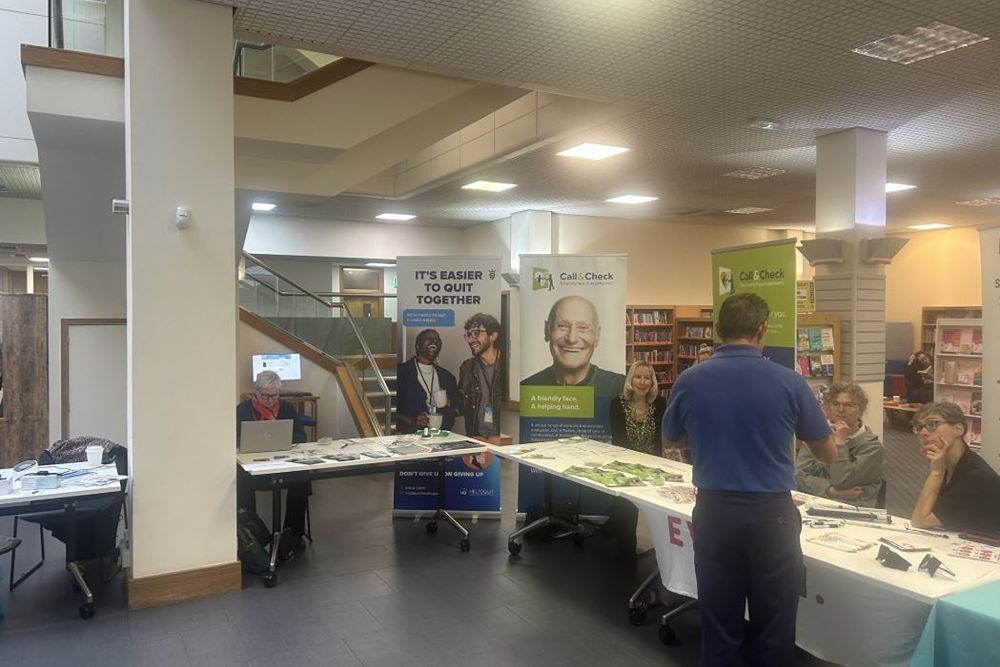
A 'Connect Me' event at Jersey Library involved health, care and support services for people affected by stroke, as well as their families and carers.
The Health Minister also took part in a Q&A panel alongside health professionals and people with lived experience of stroke.
Ant Lewis suffered a massive stroke in November 2007, two days after an accidental clash of heads whilst playing indoor five-a-side football.
He said:
"Everything changed in an instant. One moment I was active, playing football and getting on with life, and the next I was facing a completely different future. The recovery journey was long and challenging, both physically and emotionally. There were moments of frustration, uncertainty and having to relearn things I had once taken for granted.
"A stroke doesn't just affect the person who has it. It affects family, friends and everyone around them. The support I received from others played a huge part in helping me move forward.
"Looking back, the experience taught me resilience and gave me a different perspective on life. While I would never have chosen this journey, it has shaped who I am today. My story is a reminder that strokes can happen to anyone, even someone who is active and seemingly healthy, and that life after a stroke, although different, can still be meaningful and fulfilling."
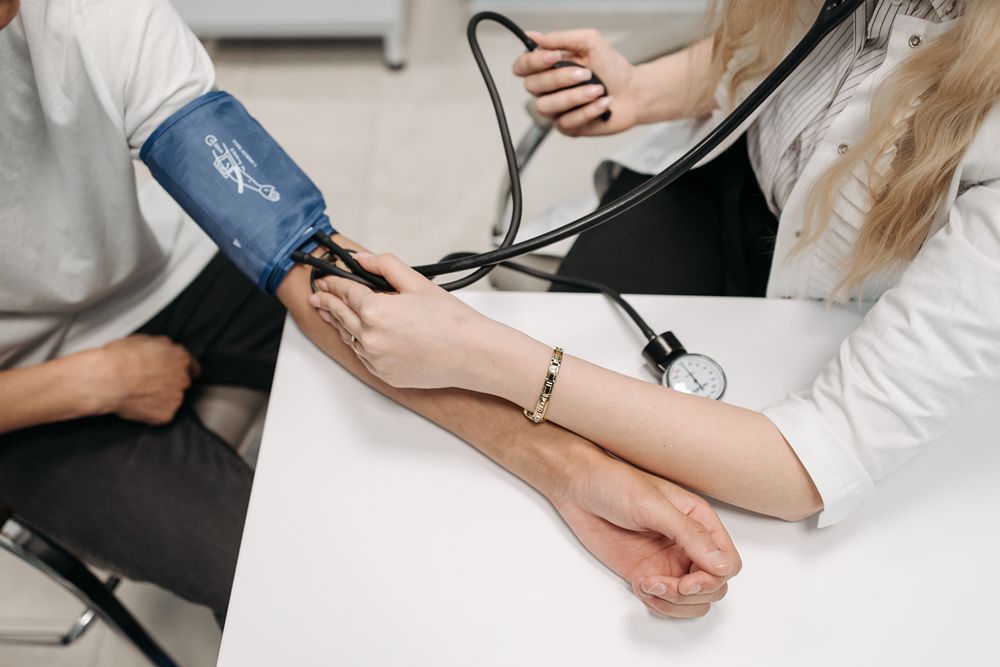
Visitors were able to get a free blood pressure check, as well as advice on the help available in Jersey.
Tracey O'Regan, from Jersey Stroke Support, said:
"A lot of strokes can be prevented if people know about the risk of high blood pressure, that is the leading cause of stroke. If you're not getting your blood pressure checked, how do you know?
"A lot of people make the assumption that, well, I feel OK, so my blood pressure must be fine. That's a complete myth, you don't have steam coming out of your ears and a big red face when you've got high blood pressure.
"I've seen people who eat really healthily, don't drink, don't smoke, they exercise on a regular basis, and their blood pressure was through the roof, and they had no idea.
"That's a life we've saved. It sounds dramatic, but it's true."
Health and Care Jersey has introduced a follow-up programme for stroke patients to discuss their recovery and any ongoing concerns, enabling referrals to the most appropriate services and support where needed.
It is designed to make sure that patients and their families receive ongoing support during recovery, and that issues which may otherwise go unnoticed are identified and addressed at an earlier stage.
Alongside this, a nurse-led clinic forms part of Jersey's wider stroke pathway, which brings together professionals from across health and care services to support patients from diagnosis through to rehabilitation and longer-term recovery.
Dr Shyam Kelavkar, Consultant Geriatrician and Clinical Lead for Stroke Services, said:
"While timely treatment remains crucial, recovery from stroke continues long after a patient leaves hospital.
"We know that many people face ongoing challenges in the weeks and months following a stroke. Some of these are visible, but others, such as fatigue, low mood, anxiety or cognitive difficulties, can be less obvious and may not always be raised during routine appointments.
"Our multidisciplinary team provide an opportunity to support those needs, thereby supporting patients and families, and connect them with the right services at the right time.
"This work reflects the dedication of our wider stroke team, whose focus is on ensuring every patient receives coordinated, high-quality care throughout their recovery journey."
Islanders are encouraged to familiarise themselves with the signs of stroke and seek urgent medical attention if they suspect someone may be experiencing one.
Remember BE FAST:
- Balance - Sudden loss of balance, coordination, or trouble walking.
- Eyes - Sudden vision changes, double vision, or loss of vision in one or both eyes.
- Face - has their face fallen on one side?
- Arms - can they raise both arms and keep them there?
- Speech - is their speech slurred?
- Time - call emergency services immediately.
Mr Lewis added:
"Recovery can be a long and difficult journey, and there will be good days and bad days. It's important to remember that progress is often measured in small steps, and every step forward matters.
"There are people who understand what you're going through and organisations in Jersey that can help with advice, rehabilitation, emotional support, and connecting you with others who have had similar experiences.
"One of the biggest lessons I learned is that asking for help is not a sign of weakness. It takes strength to accept support and to keep moving forward.
"On World Stroke Day, I'd like people to know that stroke can happen to anyone, regardless of age or fitness. Knowing the signs of stroke and acting quickly can save lives and improve outcomes.
"Most importantly, life after stroke may be different, but it can still be full, meaningful, and rewarding. There is support available, and there is hope.
"You are not alone. Reach out, accept support, and take recovery one day at a time. There is hope after stroke."
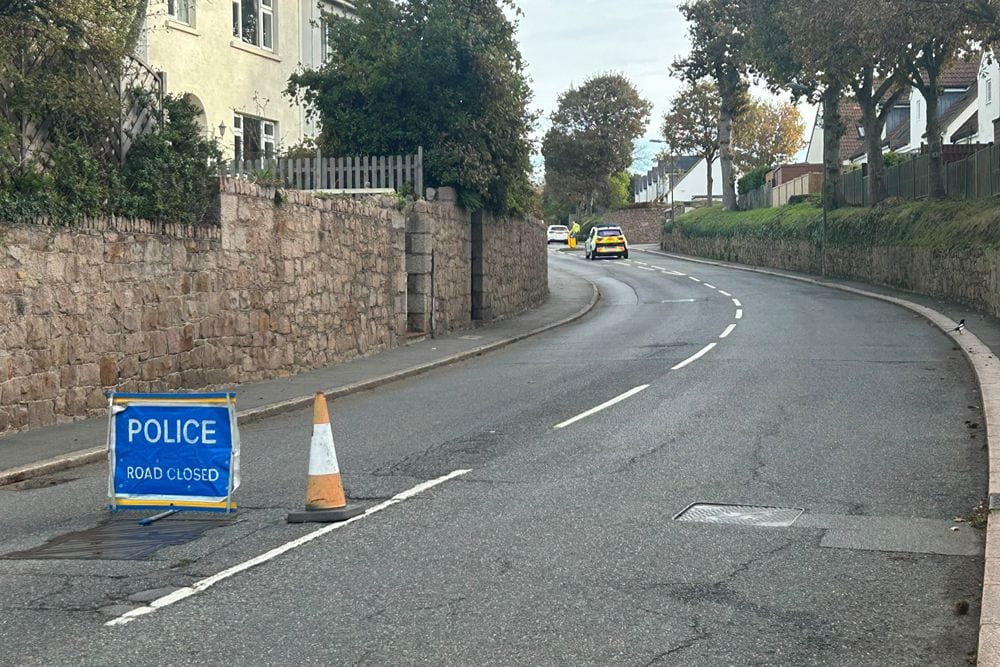 St Saviour's Hill expected to open fully tomorrow evening after gas leak
 Jersey's minimum wage set to rise again
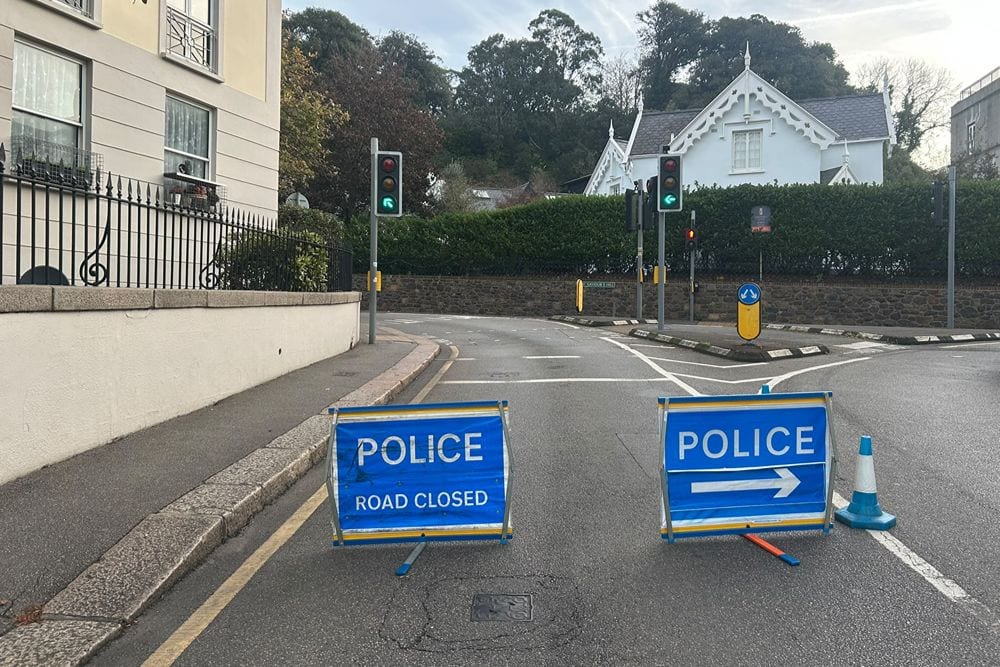 St Saviour's hill closed due to gas leak
 VAWG: Call for more investment in prevention
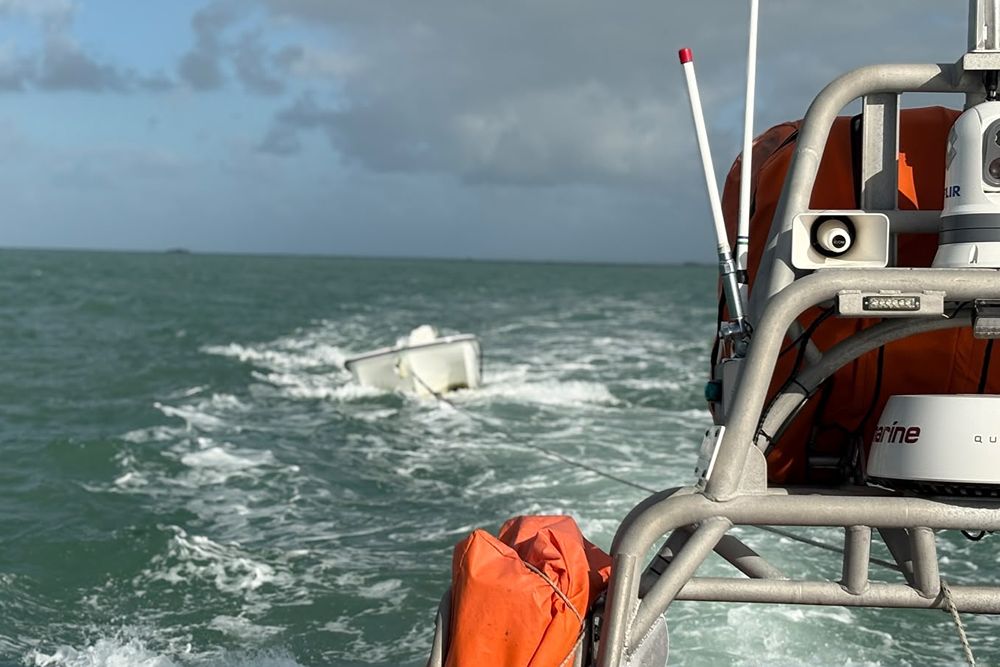 JLA inshore lifeboat called out to reports of upturned vessel
 'Barriers to Voting' survey launched
 "Environmental protection remains a key priority"
 WATCH: Durrell helps to uncover new species of trapdoor spider


Comments
Add a comment