

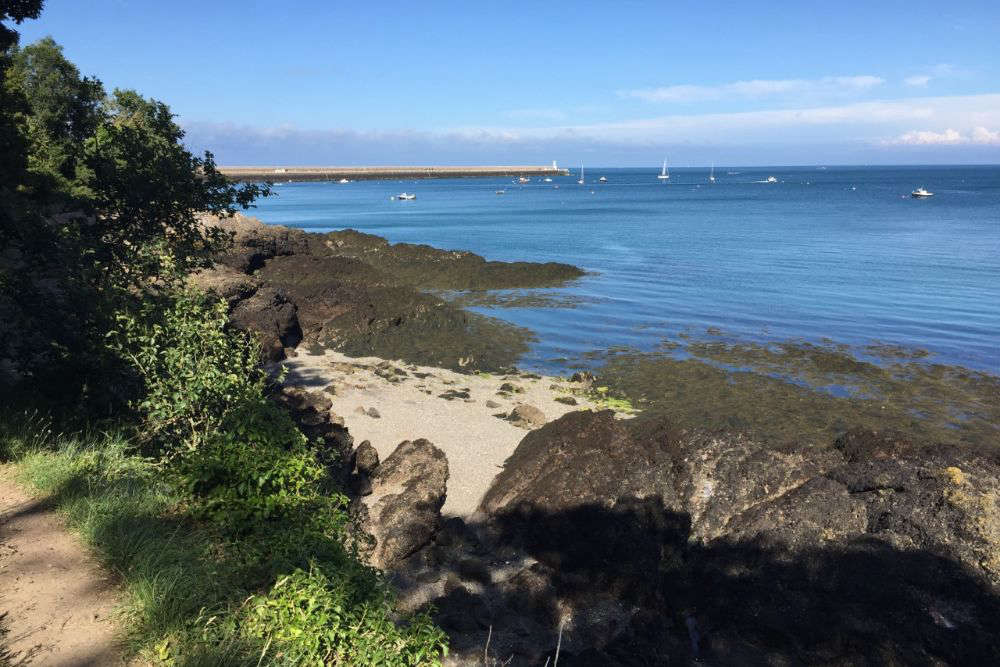
A project has been launched to protect seagrass in St Catherine's Bay.
Ports of Jersey has started a working group with government marine officers, users of the bay, and the Blue Marine Foundation to allow the largest site of seagrass around Jersey's coastline to flourish for future generations.
Seagrass is recognised for its blue carbon, calculated to absorb carbon 35 times more than tropical rainforests.
Studies show that traditional mooring systems and anchors caused significant damage to the seagrass.
Unused moorings have been removed and Jersey Marine Conservation is looking at the extent of the damage caused.
Louise Stafford is the Projects and Environment Manager at Ports of Jersey;
“We want to protect the marine environment within the deep-water site in a way that will be beneficial for everyone. One way we are hoping to do this is through the fair and adaptable administration of moorings within the deep-water site."
" Data has been gathered on the size of the damaged seagrass areas, density of the surrounding seagrass beds, including average leaf lengths and leaf numbers per shoot.
The regrowth rate in these areas will be monitored by dive surveys and supported by aerial footage and underwater towed videos. This will demonstrate the rate of seagrass recovery we can expect to see when a mooring chain is not impacting the seabed.” - Emily Dow, Science and Education Officer for Jersey Marine Conservation.
Differing mooring designs will now be trialled to study their impact on the seabed.
 'Partnership Leads' appointed of new school grouping system
 Businesses to get more money towards cost of training staff
 Andium marks record year for new homes in Jersey
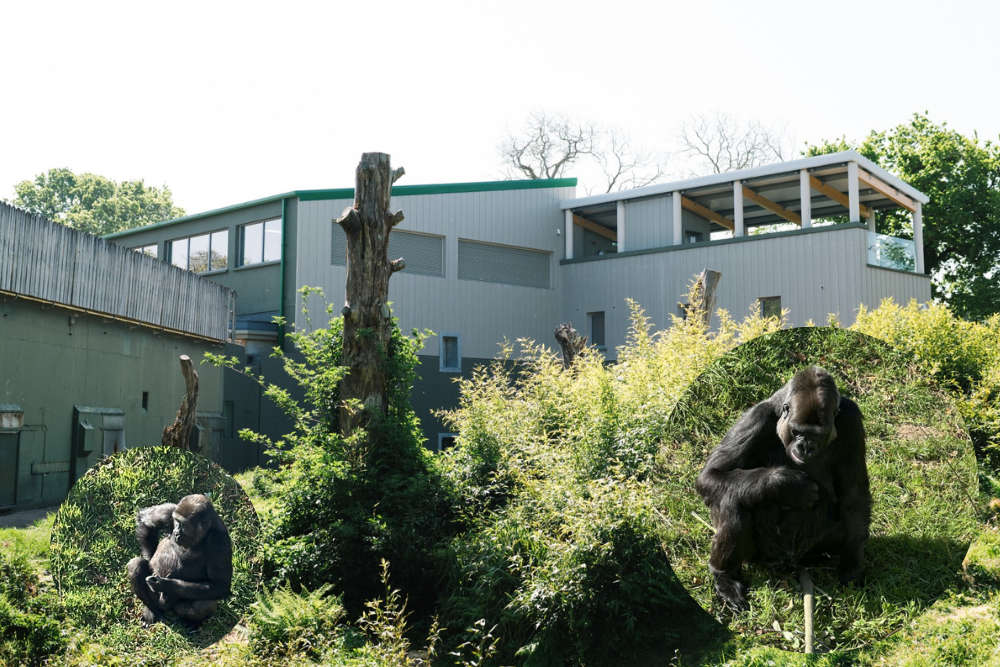 Princess Anne opens Jersey Zoo gorilla enclosure
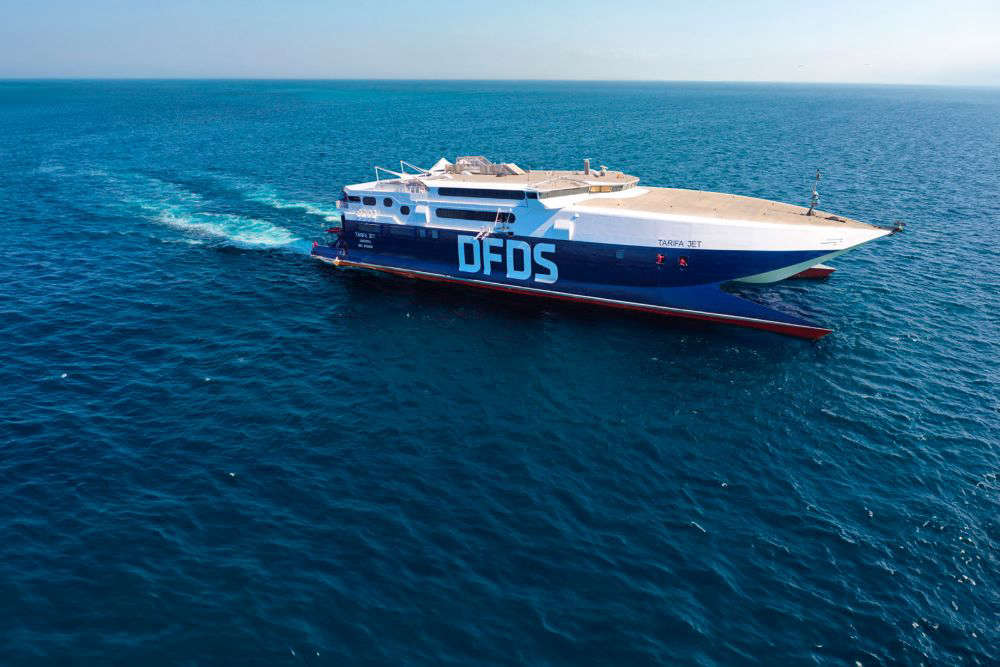 Tarifa Jet and Caesarea Trader return to service
 Jersey Post returns to profit
 Could harnessing the youth vote change the election?
 Inclusive island-wide fundraising challenge asks for 'moment of understanding'